Whole Bean Coffee
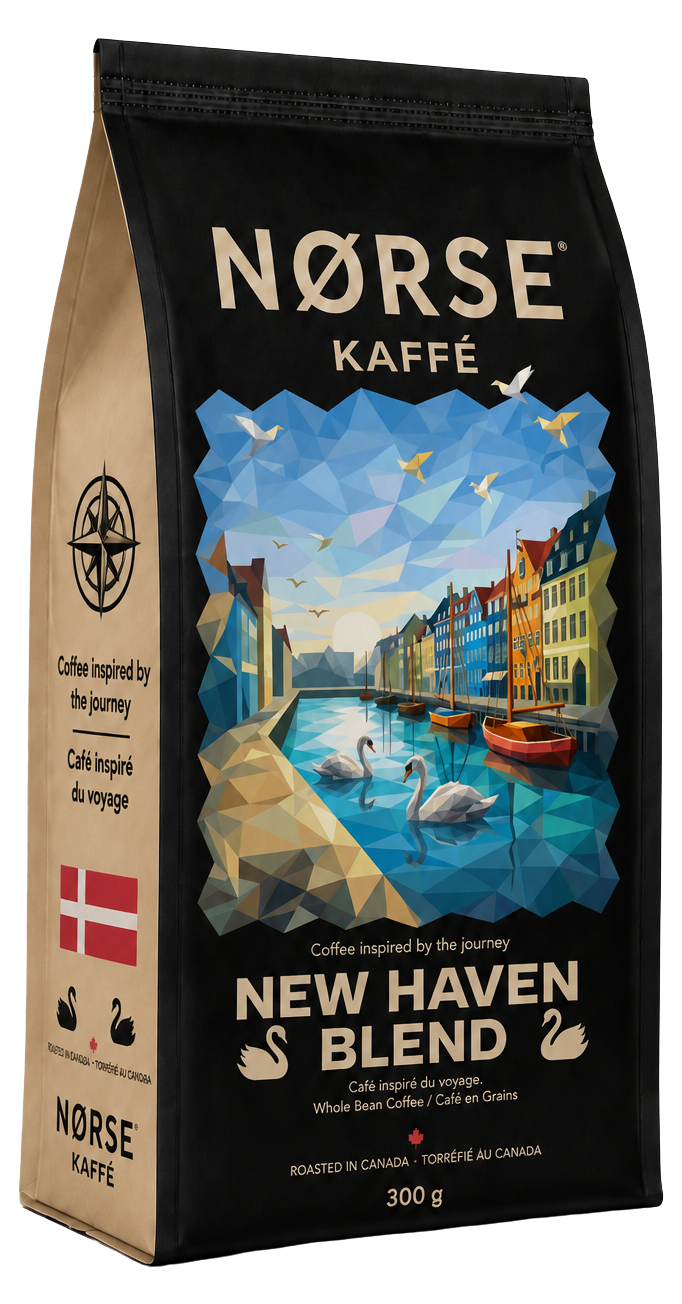
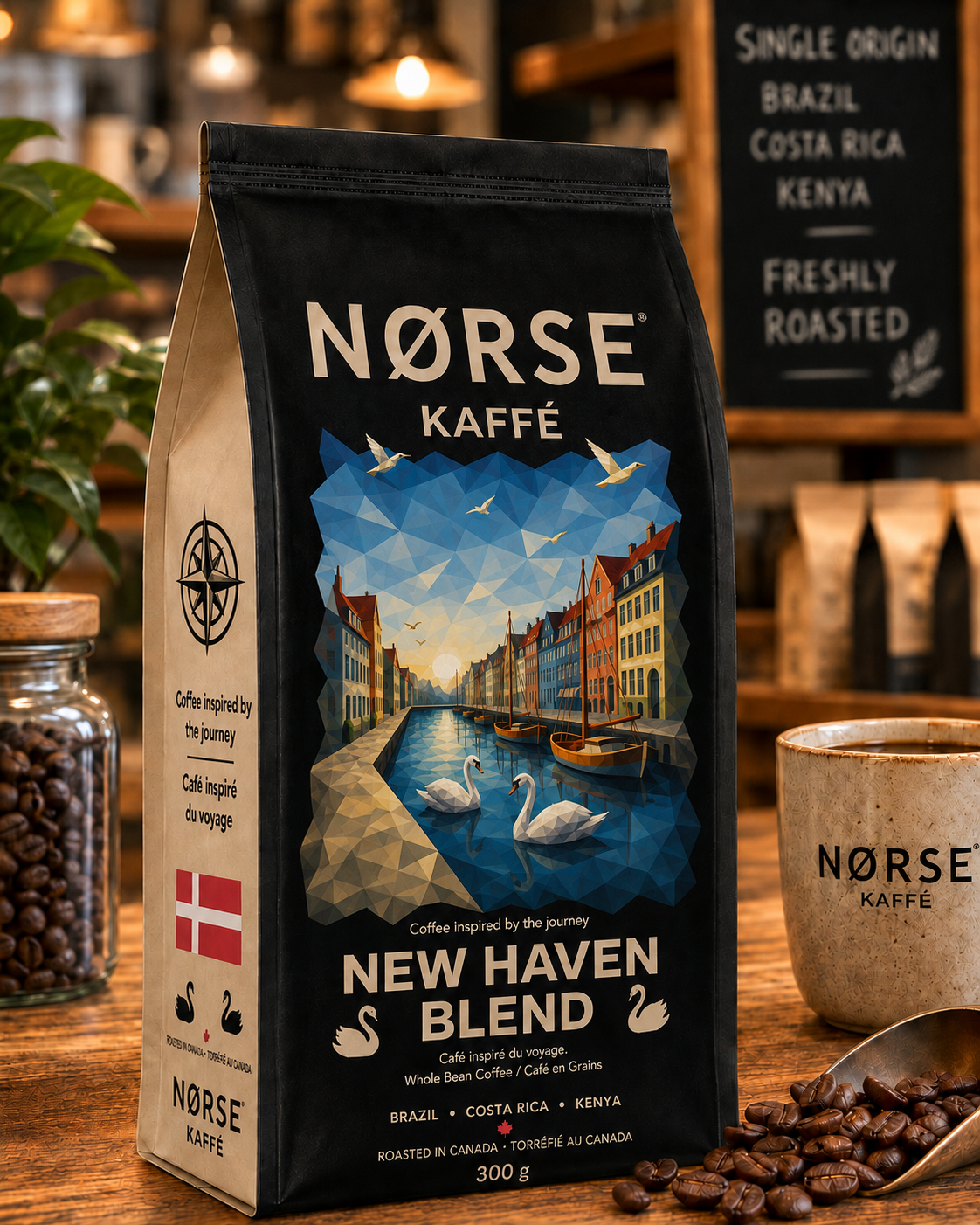
New Haven
Blend
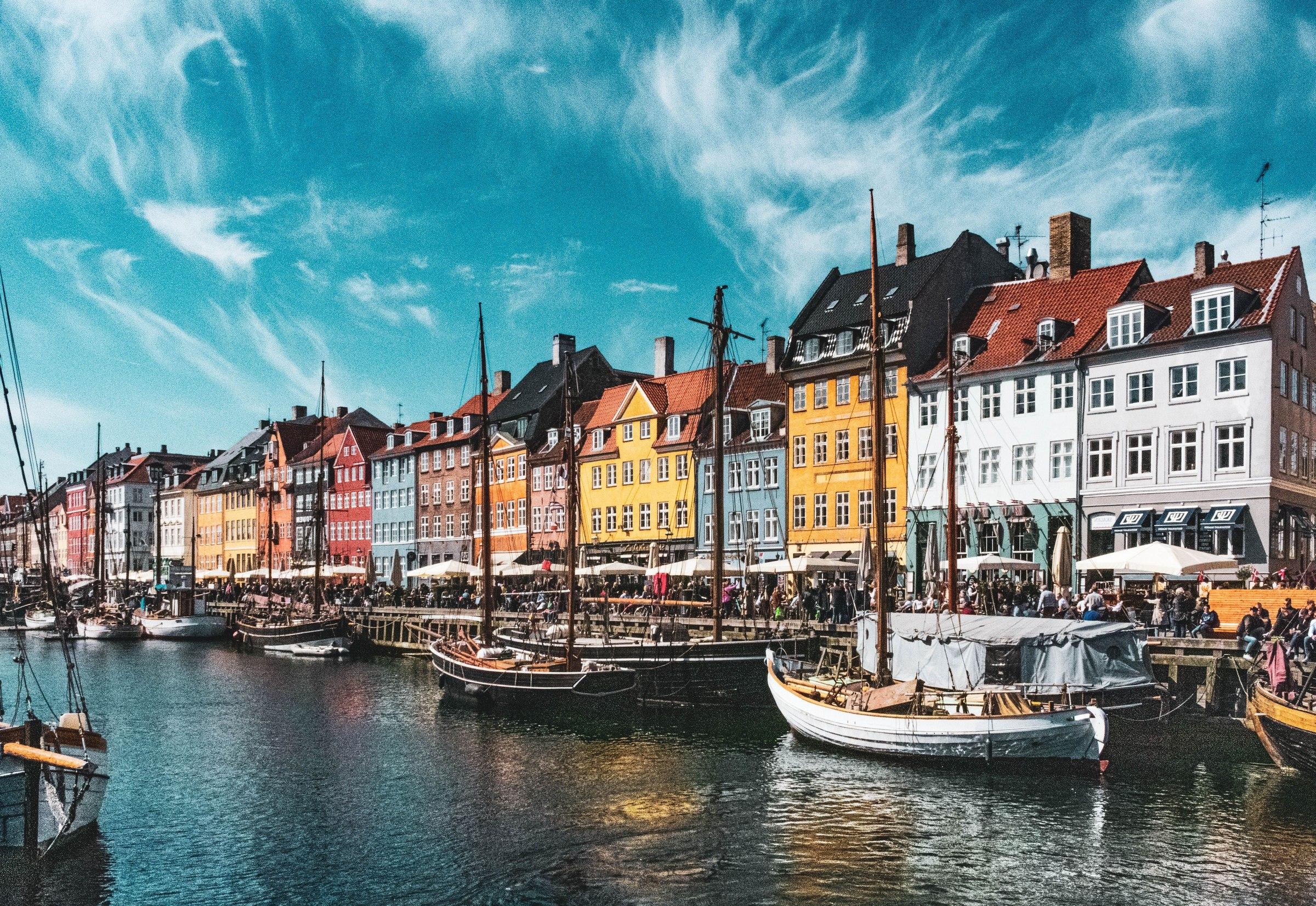
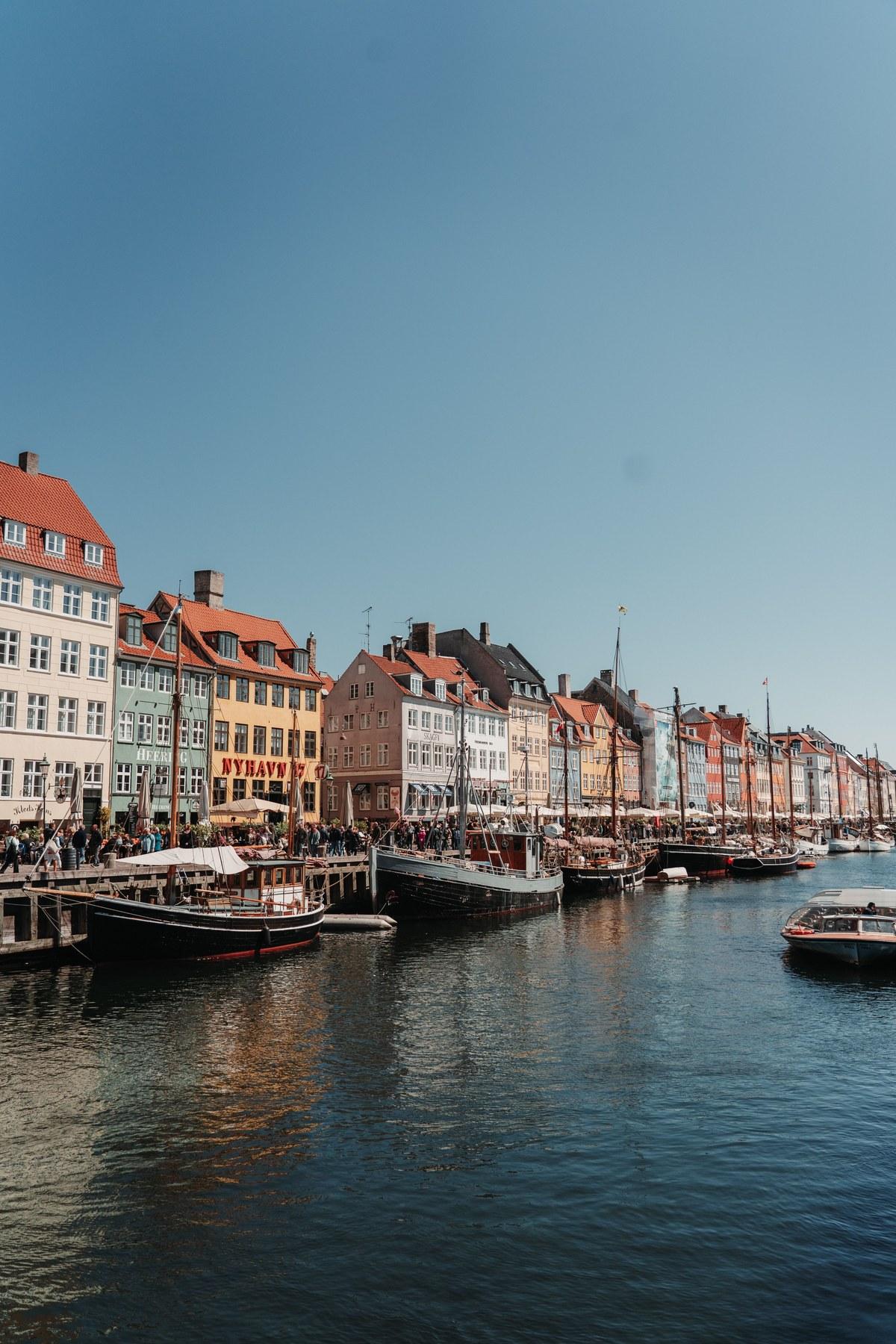
Named after Nyhavn — “new harbor” — on the Copenhagen waterfront, one of the oldest working harbors in Denmark. It's a name, not a claim. What we borrowed is older than any single origin: the idea that some things are worth crossing an ocean for, and that the wait is part of what makes the arrival mean something.
Roasted Cocoa · Toasted Nuts · Caramelized Pear & Apricot · Teak Wood
- Origin
- Brazil, Costa Rica, Kenya
- Tasting notes
- Roasted cocoa, toasted nuts, caramelized pear & apricot, teak wood
- Roast
- Small-batch, roasted in Canada
- Format
- Whole bean · 300 g
Norse New Haven Blend is named after a harbor, not a coastline — and built on the same patience that made harbors worth building in the first place.
Norse New Haven Blend takes its name from a harbor, not a coastline — Nyhavn, “new harbor,” on the Copenhagen waterfront. We're not claiming the beans are Danish. We're naming the blend after the place where far-travelled things get to stop moving.
A blend of beans sourced from Brazil, Costa Rica, and Kenya — three origins, one purpose: a cup with the weight of a harbor arrival. Roasted cocoa and toasted nuts up front, softening into caramelized pear and apricot, carried by the warm, noble character of teak wood — the same hardwood that made harbors like Nyhavn worth building in the first place. The finish is earthy and deep, the kind that stays after the cup is empty.
New Haven Blend is roasted in Canada, in small batches, to the same standard we hold every Norse coffee to: nothing added, nothing dressed up, nothing a shorter process could have gotten away with.
The name is a nod to arrival. The coffee still has to earn it.
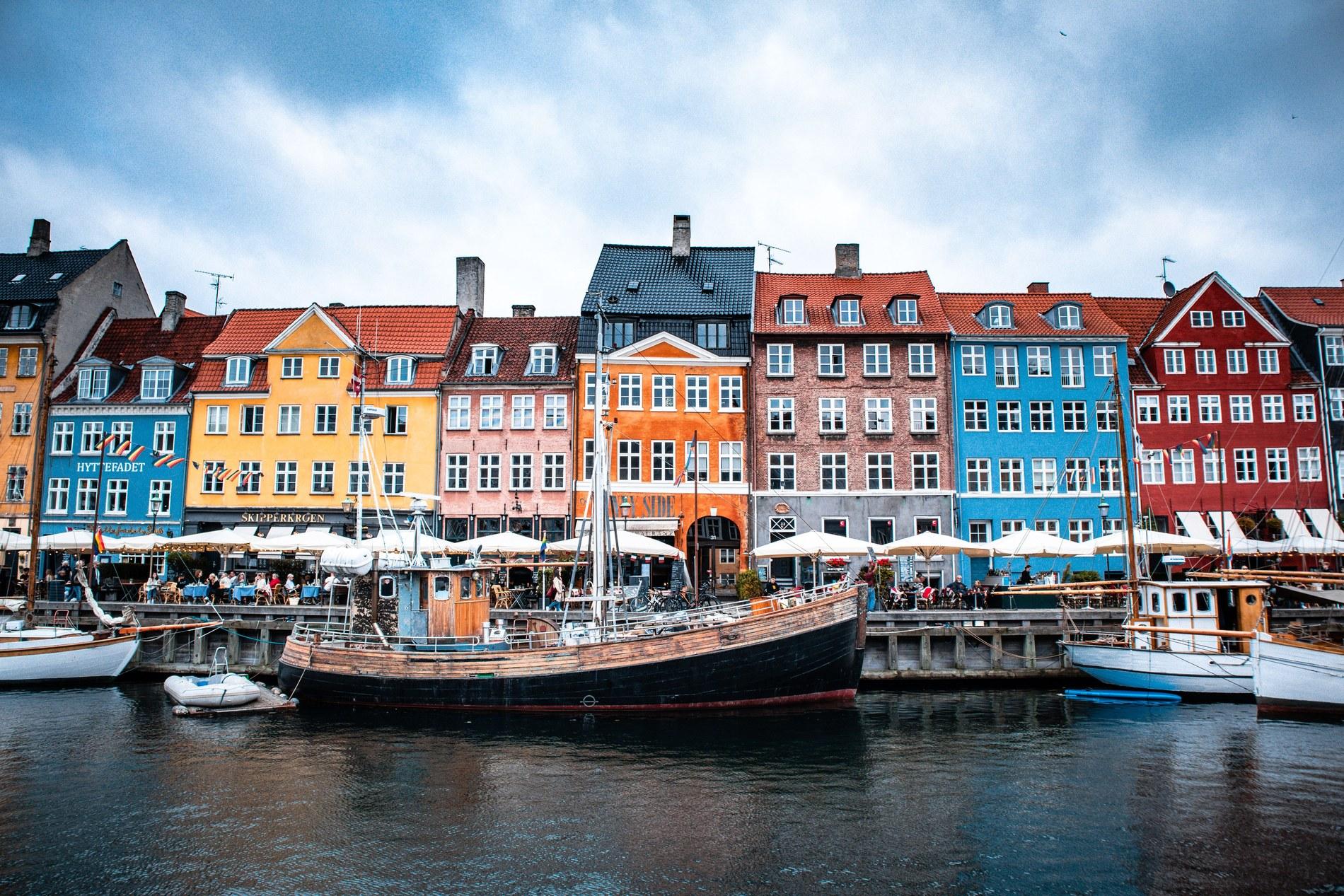
Patience wasn't a virtue
at that harbor. It was
the only available option.

The Story
A New Harbor, an Old Patience
Nyhavn means “new harbor,” though there's nothing new about it now — it's one of the oldest working waterfronts in Copenhagen, lined with the same gabled houses that have watched ships come and go for centuries. Before engines, a harbor like this one ran on nothing but wind and waiting. A ship left one coast and simply wasn't heard from again until it showed up on the other one, weeks or months later, cargo intact or it wasn't. There was no faster way to find out. Patience wasn't a virtue at a harbor like that — it was the only available option.
Some of what came through harbors like Nyhavn was teak: a hardwood dense enough to survive a sea crossing and still be worth building a deck out of on the other end. Nobody shipped teak across an ocean because it was convenient. They shipped it because nothing closer to home did the job as well, and they were willing to wait for the thing that actually worked instead of settling for the thing that was already there. That's the same instinct we're chasing in this cup — cocoa and toasted nuts that don't rush past each other, a fruited heart that has to soften into place, and a teak-wood note that only shows up because we let the whole thing finish arriving before we called it done.
We named this blend after the harbor, not the beans. It's a name, not a claim — the coffee is sourced from Brazil, Costa Rica, and Kenya, same as it says on the label, and roasted here in Canada, same as everything else we make. What we borrowed from Nyhavn isn't a coastline. It's the idea that some things are worth crossing a distance for, and that the wait is part of what makes the arrival mean something. A harbor doesn't rush the ships in. It just stays where it is, and lets them come.
That's the whole Norse instinct again, in a different setting: find the thing that's actually worth the distance, don't shortcut the crossing, and let it arrive on its own schedule. Primaeval Blend learned that from a forest that was never in a hurry. New Haven Blend learned it from a harbor that never had to be.
Formats
Whole bean, 300 g
Currently available whole bean in 300 g. 1 kg and 2 kg formats are still being finalized.
- Now300 g whole bean
- Also planned1 kg · 2 kg — timeline TBD
Nutrition
One ingredient
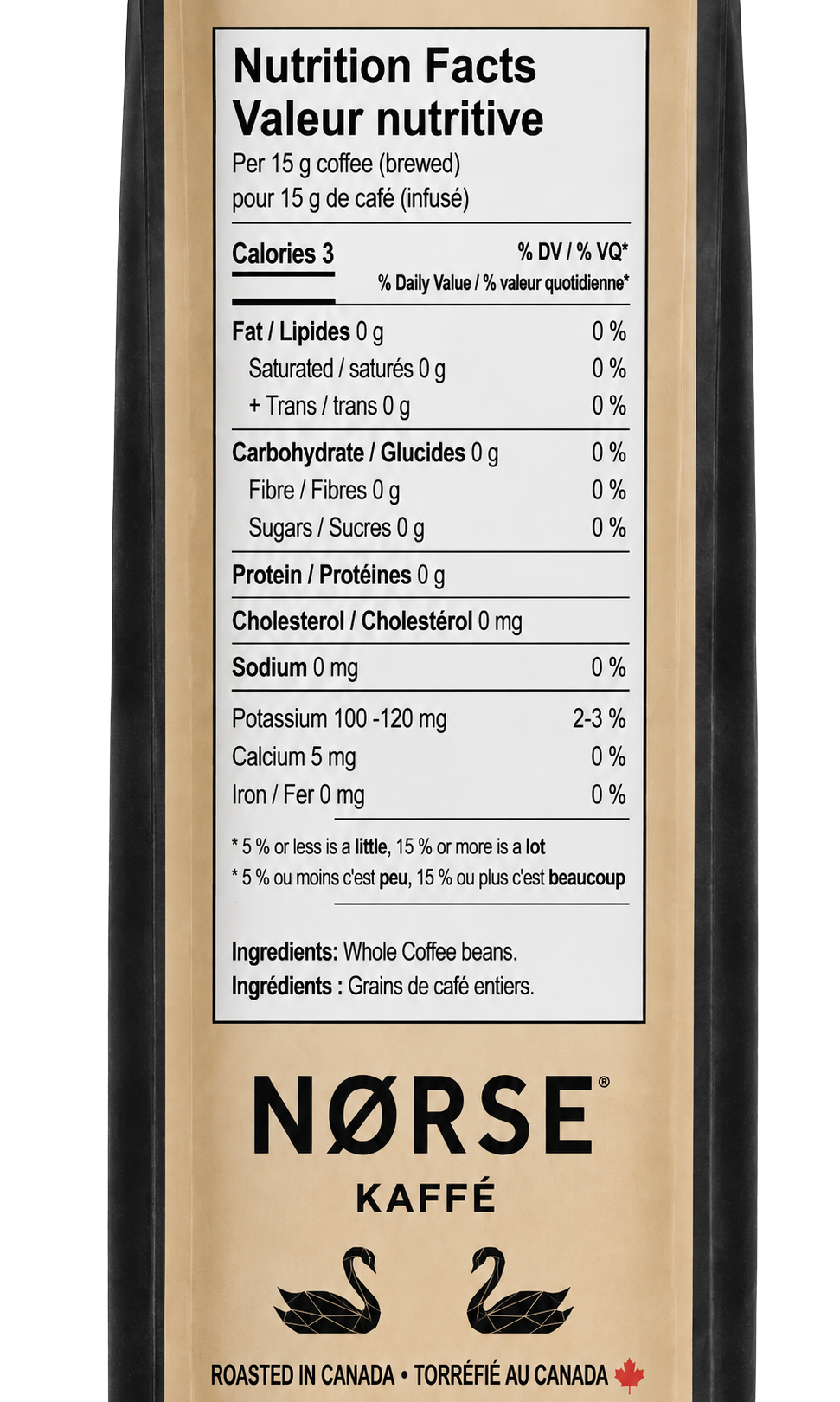
Whole coffee beans. That is the entire list — nothing added, nothing to read past.
Values are per 15 g of brewed coffee. The panel is printed in English and French to meet Canadian labelling requirements.
Brewing Guidance
Built for Espresso
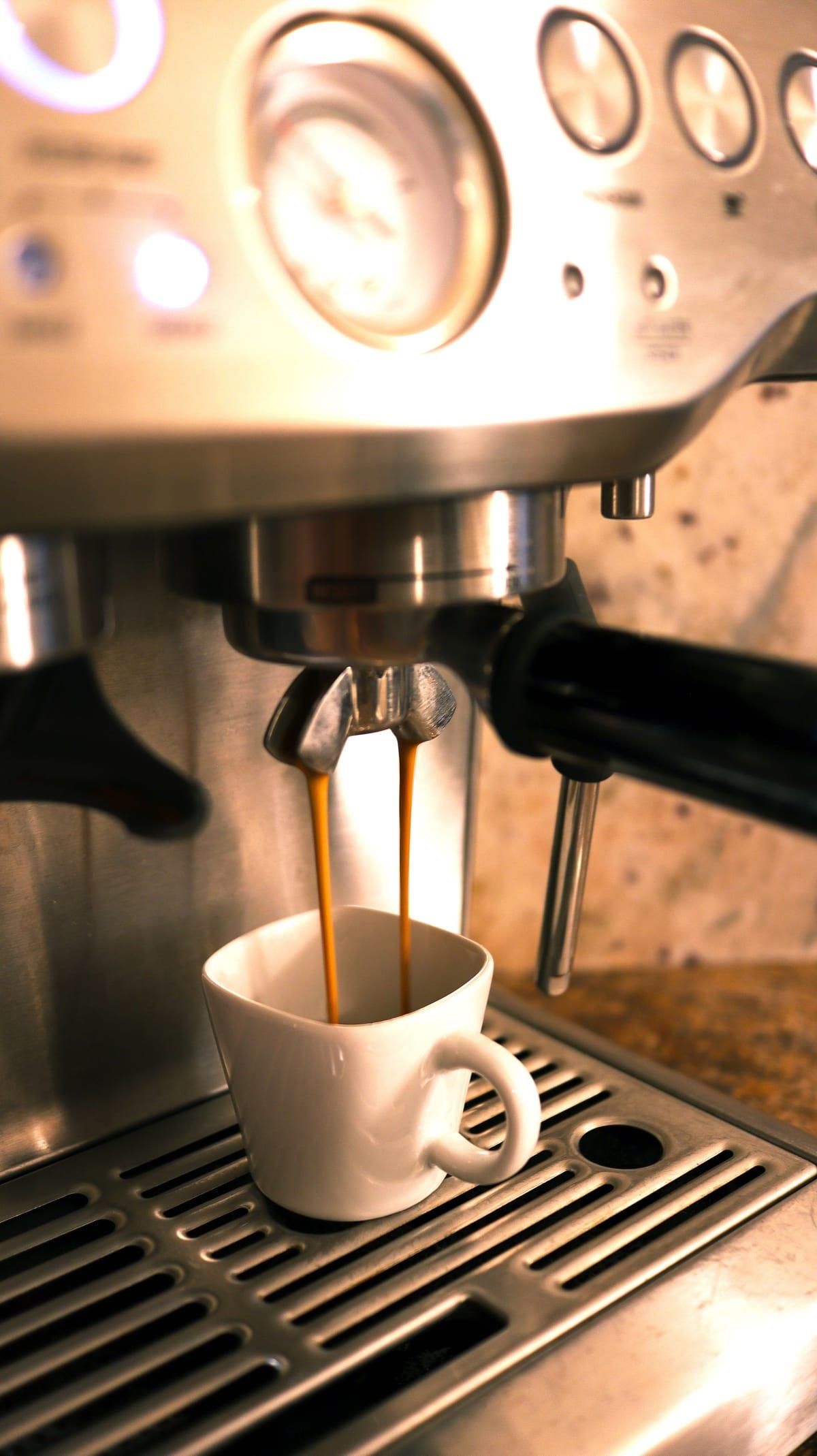
New Haven Blend was built for one method: espresso. Same as Primaeval Blend, this is a roast tuned for pressure, not for a slow pour through a filter. Ask it to be a drip coffee and the cocoa-and-toasted-nut attack goes flat before it ever reaches the fruit and the teak. Ask it to be an espresso and the whole sequence shows up in order — roasted cocoa first, then the caramelized pear and apricot, then that warm teak-wood finish settling in underneath.
- Grind
- Fine, close to table salt — adjust until the shot runs true
- Dose
- 18–20 g in, double basket
- Yield
- 36–40 g out (roughly a 1:2 ratio)
- Time
- 25–30 seconds, first drop to last
- Water
- 93–96°C (200–205°F)
No machine? A moka pot is the closest thing to true espresso pressure without one, and it's a fair substitute — same fine grind, same patience, flame low and slow. What we'd steer you away from is a drip machine, pour-over, or standard French press. This blend was never asked to work at that pressure, so it won't do its best work there either.
One note for anyone new to espresso: don't chase a “correct” shot on the first try. Dial in the grind first — under 20 seconds means too coarse, over 35 means too fine — and let the beans tell you where they want to land. Every batch that crosses an ocean to get here took its time doing it. Let the shot take its time too.