Whole Bean Coffee
Primaeval
Blend
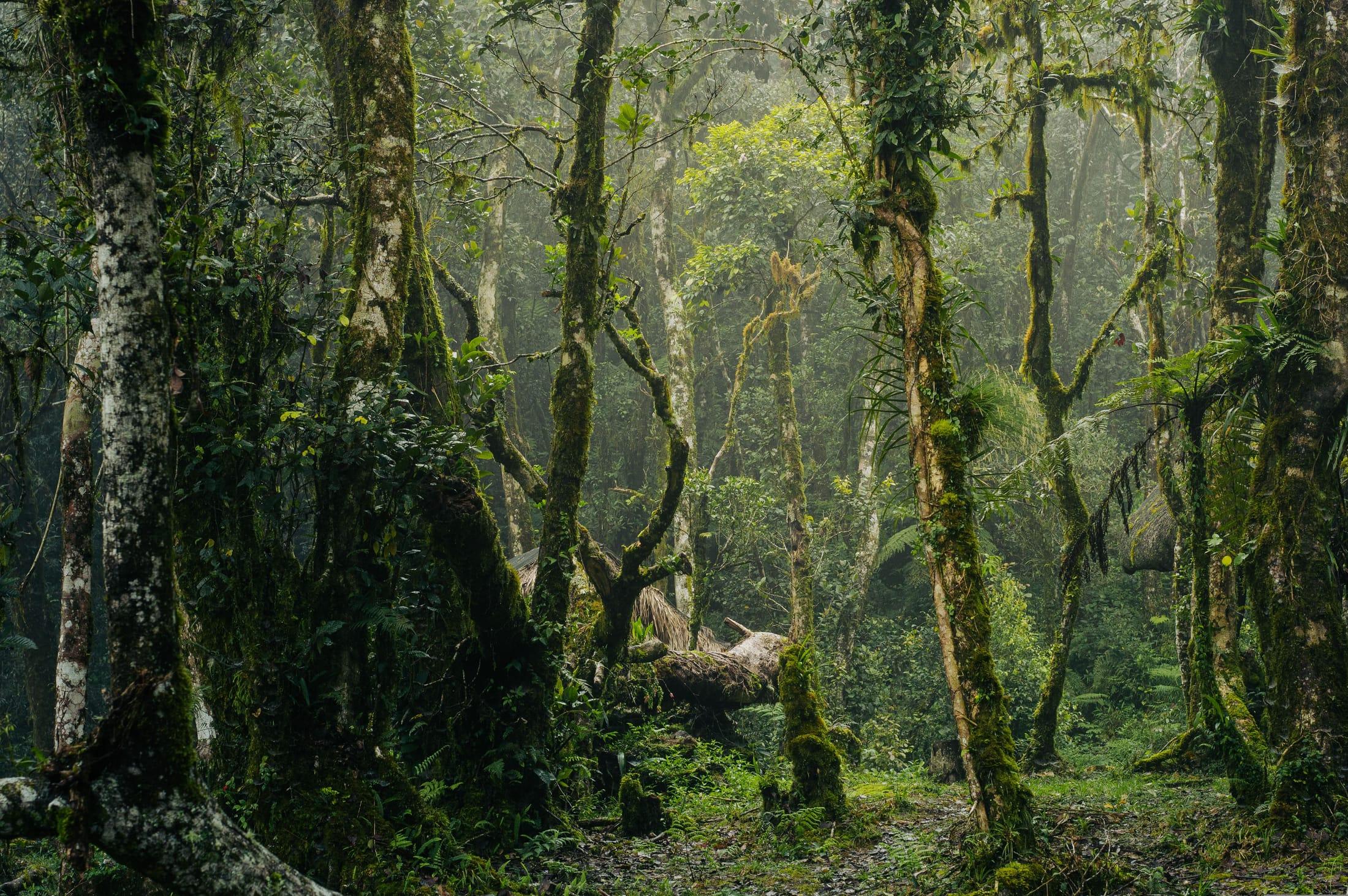
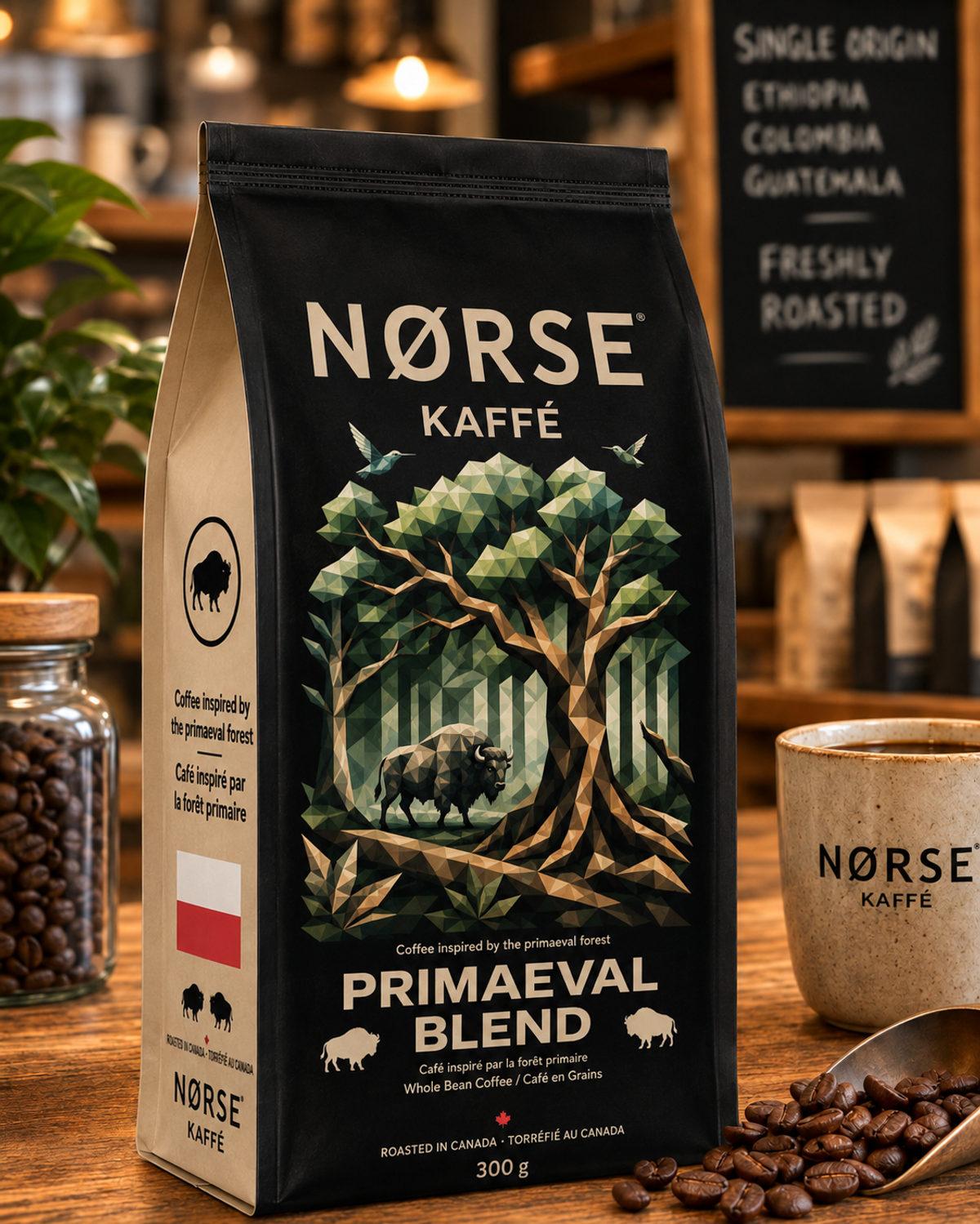
Inspired by Białowieża — Europe’s last primaeval lowland forest and a living symbol of Poland’s wild heritage. Ancient, untamed, and unhurried, it is a place where nature has followed its own rhythm for centuries — because some things were never meant to be improved upon.
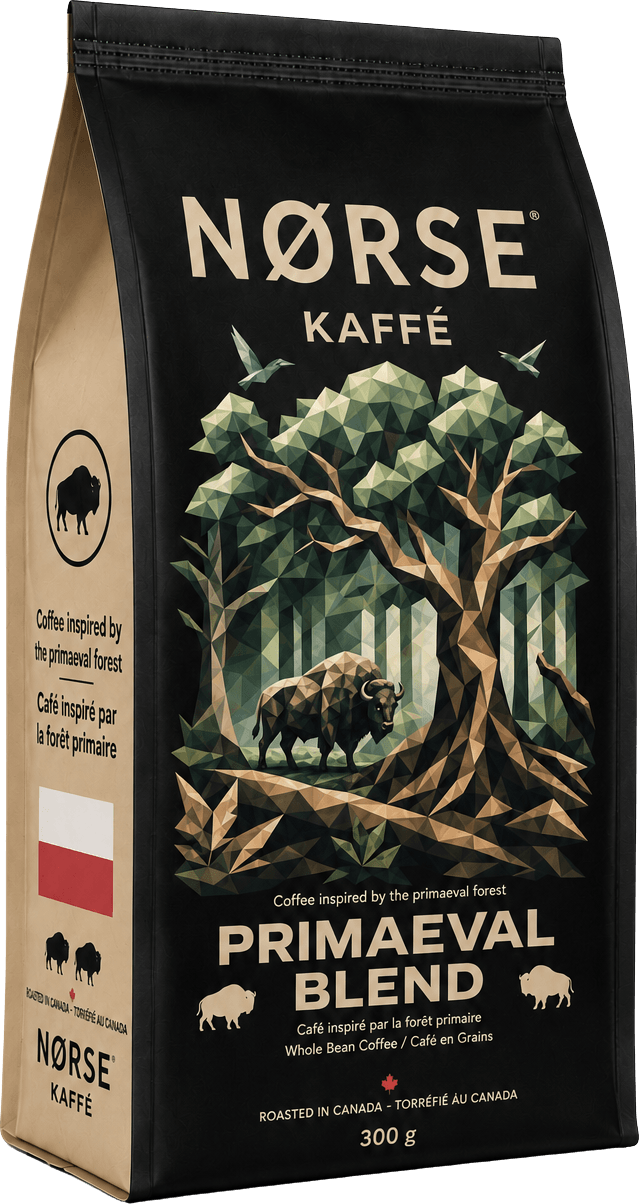
Woody · Black cherry · Roasted hazelnut
- Origin
- Brazil, Ethiopia, Kenya
- Tasting notes
- Woody, black cherry, roasted hazelnut
- Roast
- Small-batch, roasted in Canada
- Format
- Whole bean · 300 g
Norse Primaeval Blend is coffee made the way we believe good things should be made: with patience, restraint, and no need to say more than what’s true.
A blend of coffees from Brazil, Ethiopia, and Kenya — three origins chosen for what they bring together in the cup. Woody depth. A lift of black cherry. A finish of roasted hazelnut. Roasted in Canada in small batches, with a simple philosophy: let the character of the coffee speak louder than the hand of the roaster.
We named it Primaeval Blend after Białowieża, Europe’s last great primaeval lowland forest, rooted in the wild heart of Poland. For centuries, ancient oaks have stood here and European bison have roamed beneath them. It is a place shaped by nature, time, and generations of Polish history — a rare piece of Europe that remains fundamentally wild.
That spirit is what Primaeval means to us: untamed, unhurried, and without unnecessary intervention.
We hold the coffee to the same standard. Nothing added for effect. Nothing dressed up for the story. Nothing rushed simply because it could be.
Just carefully chosen coffee, patiently roasted, and allowed to become what it was meant to be.
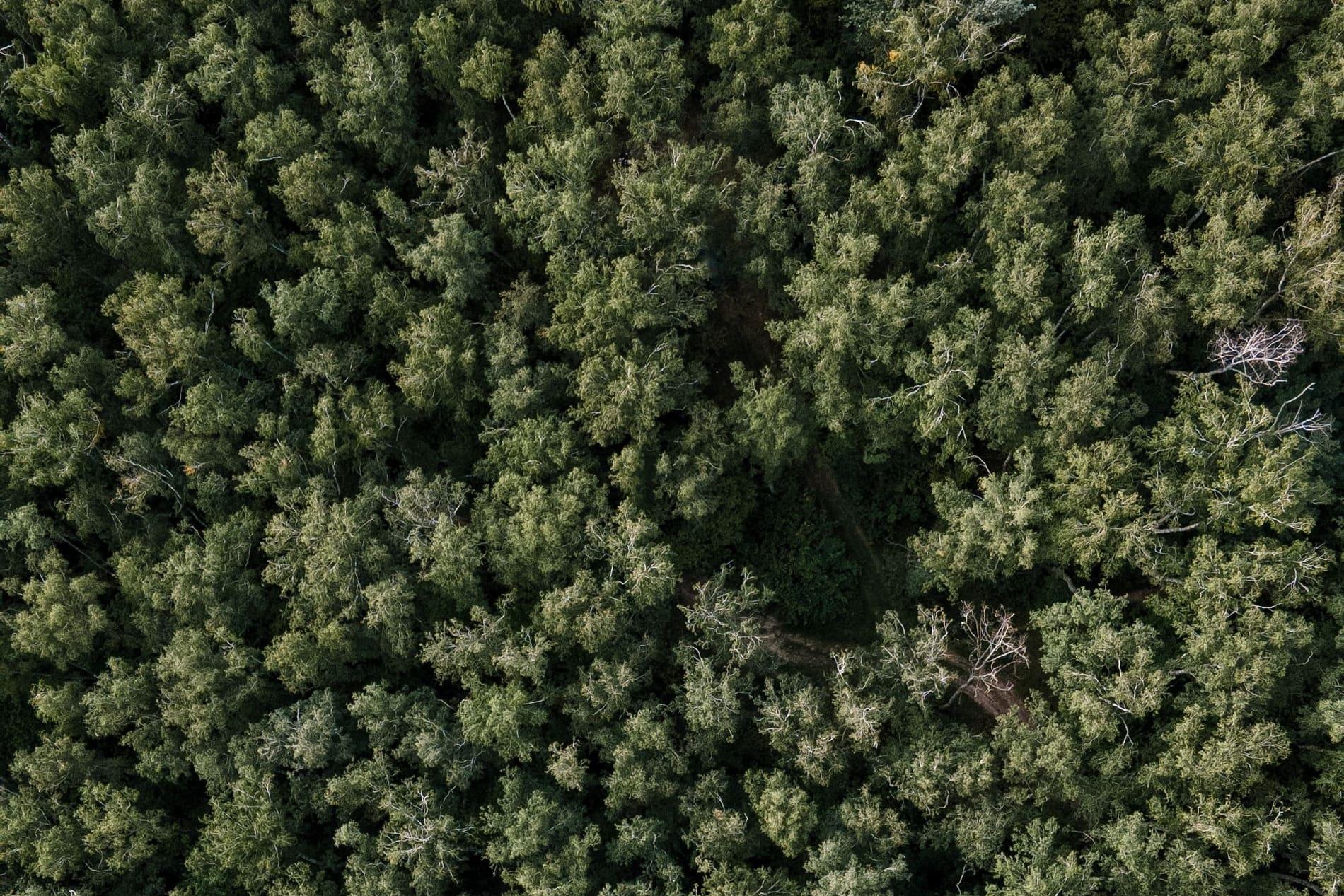
Patience isn’t a virtue here.
It’s simply how the forest works.
The Story
Where Europe Is Still Wild
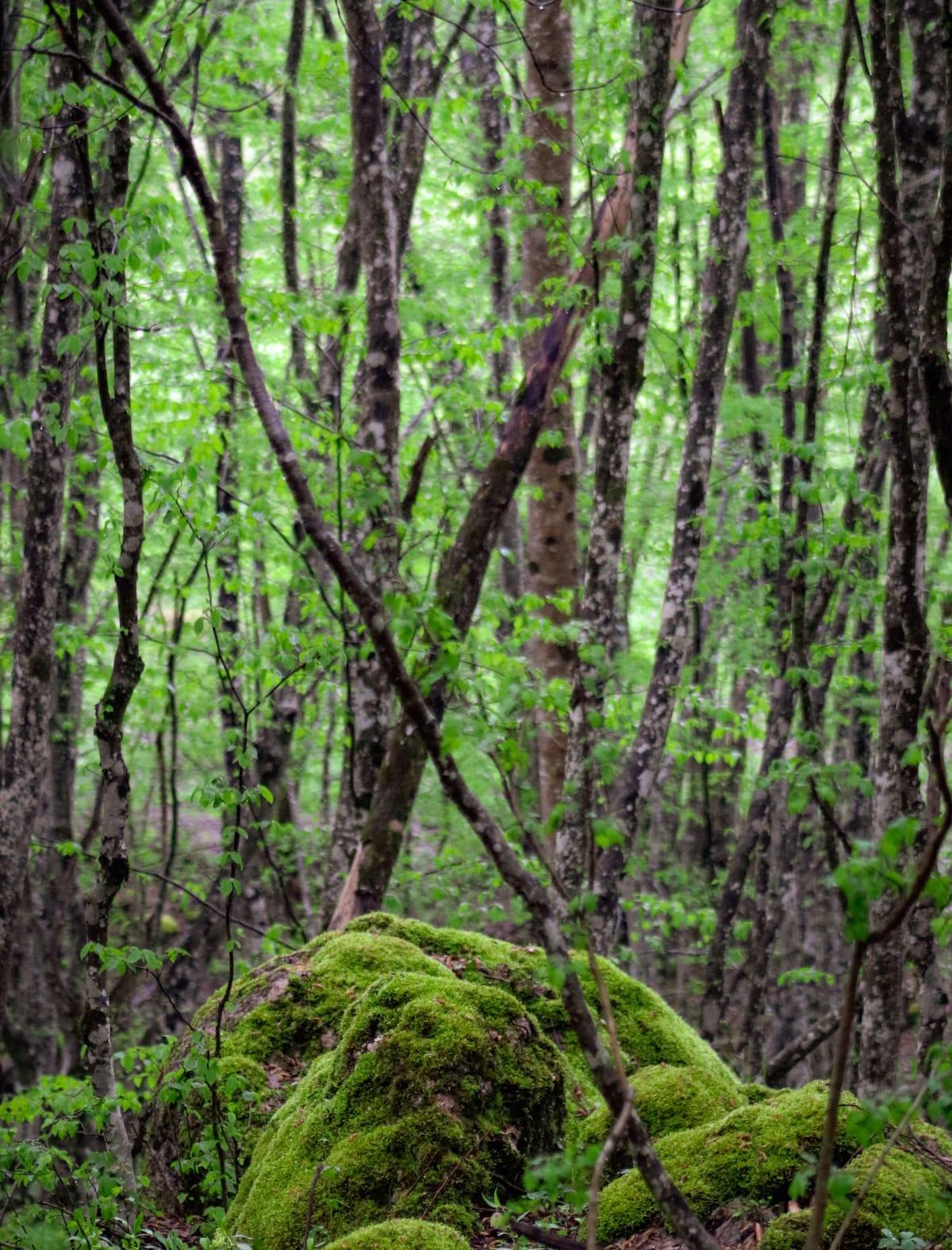
In eastern Poland, along the border with Belarus, there is a forest that has been growing according to its own rules for longer than most of the world around it has existed in its present form. Białowieża is Europe’s last great primaeval lowland forest. Here, ancient oaks rise above a landscape shaped not by planners, but by centuries of growth, collapse, decay, and renewal. Fallen giants become part of the forest floor. Dead wood feeds new life. European bison still move beneath the canopy, following paths worn through generations. Nothing seems to hurry.
That is what keeps bringing us back to Białowieża. Not simply the age of the trees, but the rhythm of the place. A canopy may remain closed for decades until one great tree falls. Sunlight reaches ground that has lived in shadow, seedlings respond, and another chapter of the forest begins. Nothing rushed the old tree on its way down, and nothing rushes what comes after it. Patience isn’t a virtue here; it’s simply how the forest works.
We think about that when we roast coffee. Roasting is an exercise in knowing when to intervene — and when not to. Heat applied too aggressively can overwhelm what was already present in the bean. Given time and attention, something different happens: sweetness develops, acidity finds its balance, and the character of the coffee begins to reveal itself. So we roast in small batches, watch carefully, and stop when the coffee has said everything it needs to say.
There is another world beneath Białowieża that cannot be seen from the trail. Networks of fungi extend through the soil and interact with the roots around them, exchanging nutrients through relationships built over time. What appears above ground to be a collection of individual trees is, underneath, something far more connected. Coffee is no different. Every cup begins long before it reaches us: a grower in Brazil, a producer in Ethiopia, a picker in Kenya, and the people who process it, move it, roast it, and eventually brew it. What looks like one simple cup is the result of people, places, seasons, and decisions stretching across continents. The credit was never ours alone. It never belonged to the oak alone, either.
We called this coffee Primaeval Blend because Białowieża represents something increasingly rare: a place old enough to remind us that progress does not always mean intervention. There is wildness here, certainly, but there is also order. Bison move through old passages. Trees fall where they fall. New life takes the space that opens. The forest changes constantly without needing to reinvent itself.
That idea sits at the heart of Norse: choose carefully, take your time, intervene only when there is a reason, and when something is already good, have the discipline to let it be. That is Białowieża. And that is the idea behind Primaeval Blend.

Formats
Whole bean, 300 g
Currently available whole bean in 300 g. 1 kg and 2 kg formats are coming for anyone who already knows this is the coffee they’re not switching from.
- Now300 g whole bean
- Soon1 kg · 2 kg
Nutrition
One ingredient
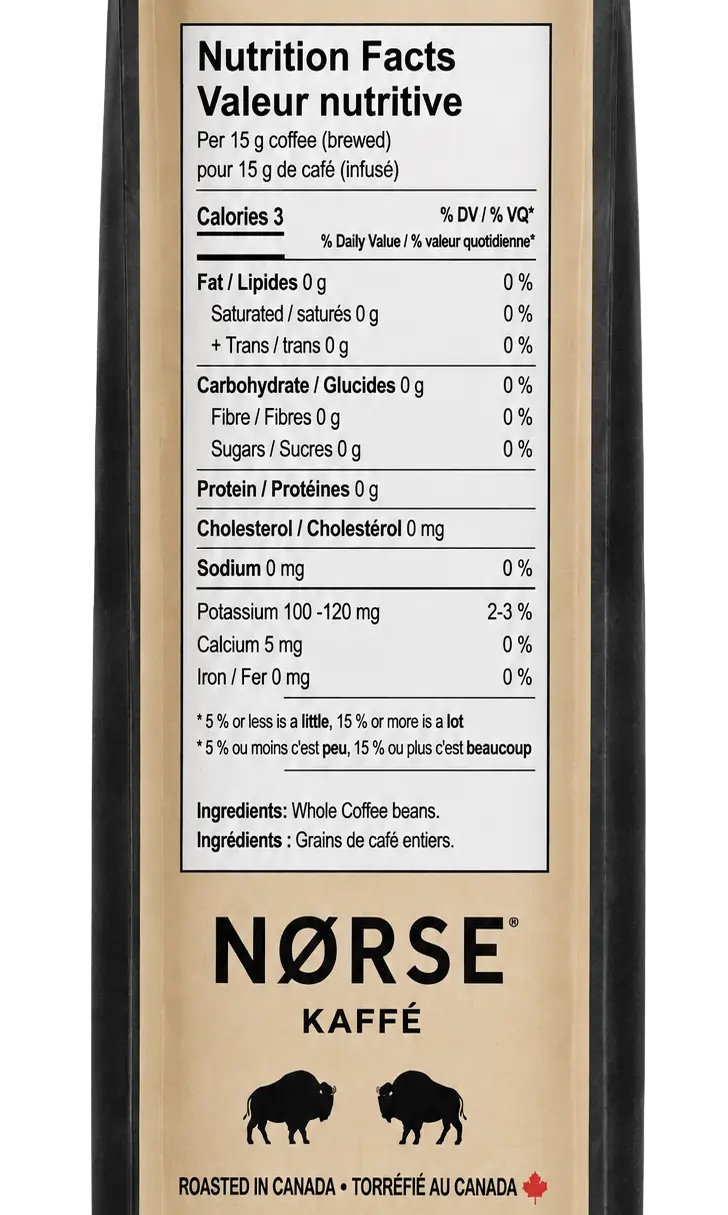
Whole coffee beans. That is the entire list — nothing added, nothing to read past.
Values are per 15 g of brewed coffee. The panel is printed in English and French to meet Canadian labelling requirements.
Brewing Guidance
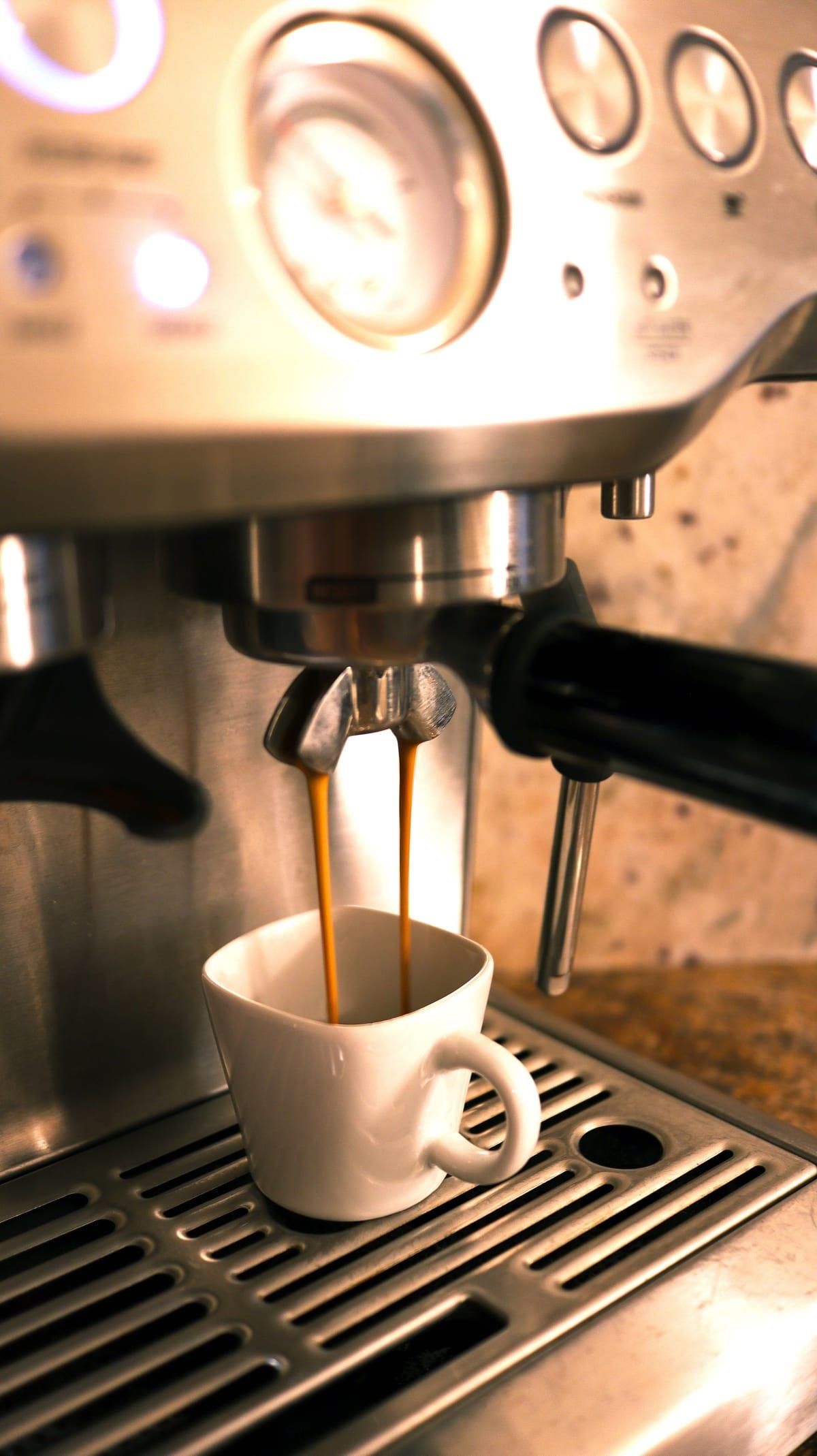
Built for espresso
Primaeval Blend was built for one method: espresso. Everything about the roast — the three origins, the small batches, the point where we stop — is tuned for pressure, not for a slow pour through a filter. Ask it to be a drip coffee and you’ll get a flatter cup, the kind that hides what the beans are actually doing. Ask it to be an espresso and the woody depth, the black cherry, the roasted hazelnut all show up at once, the way they’re supposed to.
- Grind
- Fine, close to table salt — adjust until the shot runs true
- Dose
- 18–20 g in, double basket
- Yield
- 36–40 g out (roughly a 1:2 ratio)
- Time
- 25–30 seconds, first drop to last
- Water
- 93–96°C (200–205°F)
No machine? A moka pot is the closest thing to true espresso pressure without one, and it’s a fair substitute — same fine grind, same patience, flame low and slow. What we’d steer you away from is a drip machine, pour-over, or standard French press. The blend was never asked to work at that pressure, so it won’t do its best work there either.
One note for anyone new to espresso: don’t chase a “correct” shot on the first try. Dial in the grind first — under 20 seconds means too coarse, over 35 means too fine — and let the beans tell you where they want to land. That’s the same patience we roast with. It doesn’t stop at the bag.